

Accessibility
No one left out. We design every experience so residents of all abilities, languages, and generations can take part with confidence.
Built for every ability
Accessibility is not a feature we add at the end — it is how we begin. Every page and tool we build works with screen readers, full keyboard navigation, and high-contrast display. Text stays readable, buttons stay generous, and nothing important is ever conveyed by color alone.
We design to widely adopted public-sector accessibility standards, including the Web Content Accessibility Guidelines (WCAG), and we test with the assistive technology residents actually use. If someone can browse the web, they can take part.
Multilingual by default
Language should never decide who gets heard. Our experiences support more than twelve languages — including Spanish, Mandarin, Vietnamese, and Arabic — with more added based on each community's needs.
We write in plain language first, then translate with care, so questions and answers stay clear in every language. A resident should never need a dictionary to participate in their own community.

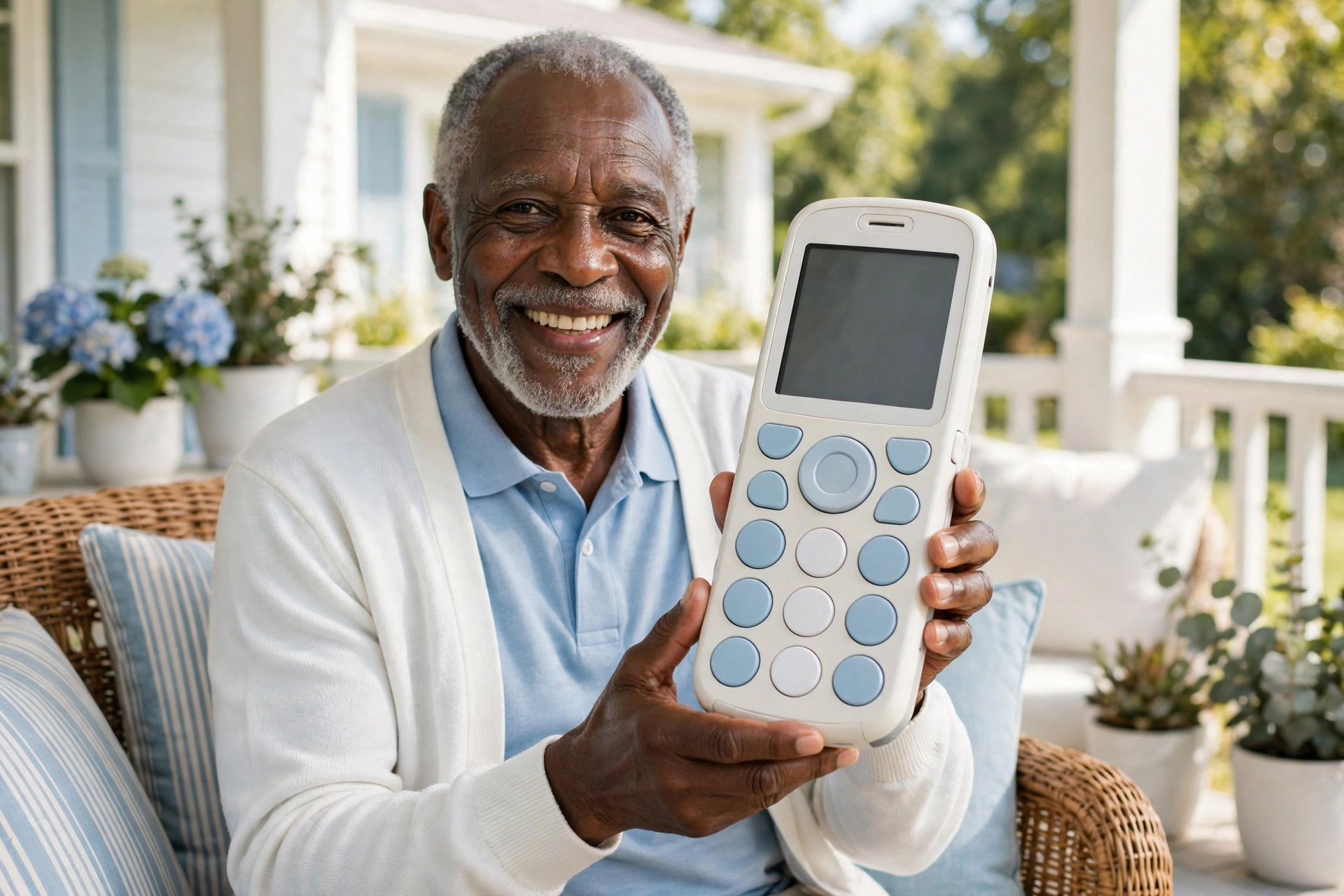
Designed for ages 20 to 80 and beyond
A teenager and an 80-year-old grandparent should both feel at home. We keep flows short, language simple, and text resizable. Everything works on any device — including older phones and slower connections.
When a grandparent can join a digital town hall as easily as a college student, we know the design is doing its job.
Which accessibility standards do you follow?
We design to the Web Content Accessibility Guidelines (WCAG) as our baseline, and we test every experience with screen readers, keyboard-only navigation, and high-contrast settings before it reaches residents.
Which languages are supported?
More than twelve languages, including Spanish, Mandarin, Vietnamese, and Arabic. We add languages based on the community an agency serves — if your residents need it, we include it.
How do you test with real users?
Before launch, we hold testing sessions with residents of different ages, abilities, and language backgrounds. Their feedback shapes the final design — accessibility is verified by the people it serves, not just by checklists.
Every community deserves to be heard.
Whether you're exploring a grant, planning a program, or simply curious — we'd love to hear what your residents need.
Get in touch